Wheel Bearing: Noise, Diagnosis and Replacement
A worn wheel bearing produces a distinctive noise that gets louder with speed.
Mis à jour le 13 février 2025 · Sources vérifiées
📋 Sommaire
Wheel Bearing: Noise, Diagnosis, and Replacement for UK Drivers
Introduction
As a responsible UK driver, understanding the intricacies of your vehicle is essential to ensure safe and efficient travel. One such component that requires attention is the wheel bearing. This unsung hero plays a critical role in maintaining your car's stability and smooth ride. In this article, we delve into the world of wheel bearings, discuss common signs of failure, diagnose issues, and guide you through the replacement process.
[Section 1 — Context, How it Works, or Overview]
Wheel bearings are small, yet powerful components that connect your car's wheels to the hub assembly. They allow the wheels to spin freely while transmitting the power from the vehicle's drive shaft. Each wheel has two bearings—an inner and an outer—that work together to ensure smooth operation.
[Section 2 — Diagnosis, Signs to Look For, or Buying Criteria]
A faulty wheel bearing can manifest in various ways, making diagnosis a crucial step for UK drivers. Here are some common signs that indicate a potential issue:
Whirring, Growling, or Humming Noise: These noises, often heard when driving at low speeds or during turns, are telltale symptoms of a failing wheel bearing. The noise can increase as the bearing deteriorates further.
Vibration Sensations: A vibration felt through the steering wheel or seat could be an indication of a damaged wheel bearing. This sensation may become more pronounced at higher speeds.
Visible Play in Wheel: Excessive play or movement when you push on the tyre can also suggest a faulty wheel bearing.
Unusual Wear Patterns: If your tyres show unusual wear patterns, such as rapid wear on the inside or outside edges, it might be due to a failing wheel bearing.
When buying a new wheel bearing hub assembly, consider factors like brand reputation, customer reviews, and compatibility with your specific car model. For instance, the wheel bearing hub assembly on Amazon.co.uk offers high-quality options for popular UK cars like the Ford Focus, Vauxhall Astra, Golf, and Peugeot 208.
[Section 3 — Practical Steps, Procedure, or Comparison]
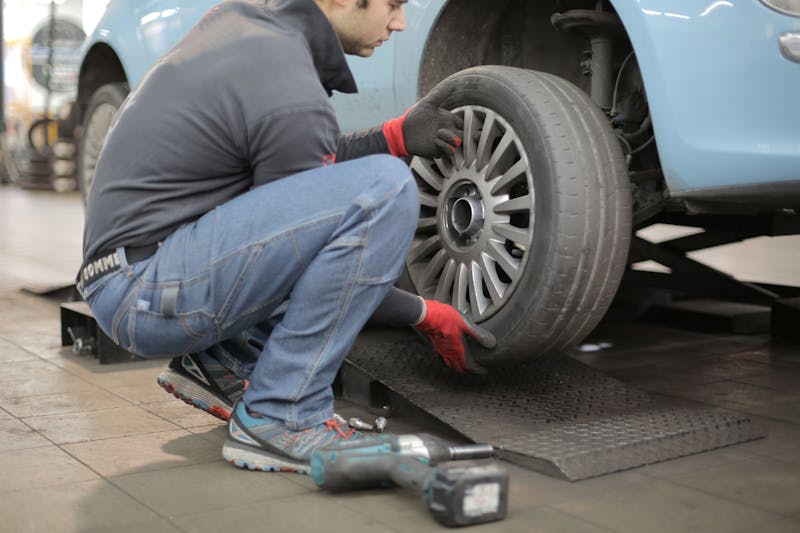
Replacing a wheel bearing is typically a task best left to professionals due to its complexity. However, if you're up for the challenge, here's a general step-by-step guide:
- Jack up your vehicle and secure it safely.
- Remove the wheel and brake caliper to access the hub assembly.
- Disassemble the hub and remove the faulty bearing.
- Install the new bearing, reassemble the hub, and attach the wheel and brake caliper.
- Lower your vehicle and torque the wheel lug nuts to manufacturer's specifications.
[Section 4 — Costs, Recommended Brands, or Advanced Tips]
The cost of replacing a wheel bearing can vary significantly depending on the make and model of your car. Generally, you can expect to pay between £50 and £150 for a single bearing. Labour costs will add additional charges, typically ranging from £60 to £90 per hour.
When choosing a brand for your wheel bearing hub assembly, opt for reliable manufacturers known for their durability and quality, such as Timken, SKF, or NSK. These brands offer products that are designed to withstand the rigours of UK roads, ensuring a longer lifespan for your replacement parts.
Advanced tip: Regularly inspect your vehicle's wheel bearings during routine maintenance checks to catch potential issues early and minimise repair costs.
Découvrez les produits les mieux notés et les plus vendus dans cette catégorie, sélectionnés par les acheteurs Amazon.
🛒 Voir les meilleures ventes sur AmazonConclusion
Understanding wheel bearings and their role in maintaining your car's performance is essential for UK drivers. Being able to diagnose a faulty bearing and replace it when necessary can save you costly repairs down the line. With high-quality options available from trusted brands like Timken, SKF, and NSK on Amazon.co.uk, replacing your wheel bearings has never been easier or more accessible.
Now that we've delved into the importance of wheel bearings and their potential symptoms, let's discuss some practical steps for replacing them yourself. While it may seem daunting at first, with a bit of patience and the right tools, you can save money by performing this task at home.
Firstly, ensure you have the necessary tools: a wheel bearing press, socket set, wrenches, a torque wrench, and a jack are essential. You'll also need new wheel bearings and seals, and don't forget about grease!
Begin by loosening the lug nuts on your vehicle without removing them completely. Jack up the car securely and remove the wheels. With the wheel off, you'll see the hub assembly where the bearing is located. Using a hammer and chisel, gently separate the dust cap from the hub. This may require some force, but be careful not to damage the hub.
Next, use your bearing press to remove the old bearing. Insert the press tool into the hub and apply pressure until the bearing pops out. Remove any remaining debris from the hub and clean it thoroughly.
Install the new wheel bearing by reversing the removal process: press the new bearing into the hub using your bearing press. Apply a generous amount of grease to the bearing before pressing it in place. Once securely seated, install the new dust cap and tighten it with a hammer.
Reassemble the wheel, ensuring the lug nuts are torqued correctly according to your vehicle's manufacturer specifications. Tighten them in a star pattern for even distribution of force. Lower the car and give the wheels a test spin to ensure smooth operation.
Finally, don't forget to lubricate the new bearing during routine maintenance checks to keep it functioning optimally. Regularly inspecting your vehicle's wheel bearings can help catch potential issues early, minimising repair costs in the long run. Happy driving!
Cet article vous a été utile ? Partagez-le !