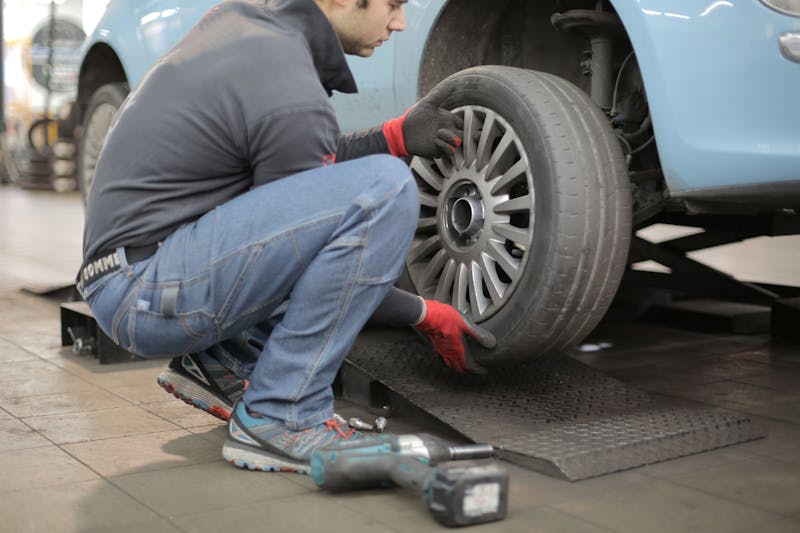
Remould and Part-Worn Tyres: Safety and Savings
Remould tyres can cost half the price of new. Are they safe and legal?
Mis à jour le 4 juin 2025 · Sources vérifiées
📋 Sommaire
Remould and Part-Worn Tyres: Safety and Savings
Introduction
In the ever-evolving world of automotive maintenance, tyre replacement often ranks among the most significant expenses for UK drivers. However, an alternative to brand new tyres that could lighten your wallet is gaining traction - remould and part-worn tyres. This article aims to shed light on these alternatives, exploring their safety aspects, potential savings, and practical steps to ensure a smooth transition if you decide to opt for them.
[Section 1 — context, how it works, or overview]
Remould tyres are reconditioned tyres created by reshaping and re-treading discarded tyres. Part-worn tyres, on the other hand, are second-hand tyres removed from a vehicle and sold as long as they meet certain legal requirements. Both options can offer cost savings compared to brand new tyres but come with their unique advantages and potential drawbacks that UK drivers should be aware of.
[Section 2 — diagnosis, signs to look for, or buying criteria]
When considering remould or part-worn tyres, it is crucial to assess the condition of each tyre carefully before purchasing. Look out for:
Tread depth: Ensure that the remaining tread depth meets the legal minimum of 1.6mm across three-quarters of the tyre's circumference. You can use a 20p coin as a guide – if the outer band of the coin is hidden by the tread, the tyre is still safe to use.
Tread wear: Inspect the tyres for uneven wear, which could indicate misalignment or suspension issues in your vehicle. Evenly worn tyres are an indicator of a well-maintained car.
Damage and repairs: Check for any cuts, bulges, or punctures that may compromise the tyre's structural integrity. Tyres with such damages should be avoided.
Tyre age: While there is no legal requirement to replace tyres based on their age in the UK, it's essential to check the tyre's age and avoid using tyres older than 10 years as they may become brittle and unsafe.
Brand and tread pattern: Opt for well-known tyre brands with a good reputation for quality and durability. A suitable tread pattern is also crucial, as it can affect the tyre's performance in various weather conditions.
[Section 3 — practical steps, procedure, or comparison]
When buying remould or part-worn tyres, consider visiting local garages, tyre shops, or online marketplaces like Amazon.co.uk (budget tyre 205 55 R16 on Amazon.co.uk).
To ensure a smooth purchase:
Research and compare prices from multiple sellers to secure the best deal.
🏆 Nos recommandationsDécouvrez les produits les mieux notés et les plus vendus dans cette catégorie, sélectionnés par les acheteurs Amazon.
🛒 Voir les meilleures ventes sur AmazonInspect the tyres in person if possible, or ask the seller for detailed photographs of the tyres before making a decision.
Always negotiate the price, particularly when purchasing multiple tyres at once.
Check whether the seller offers a warranty or guarantees the quality of the tyres.
Ensure that the seller complies with legal requirements for part-worn tyres, such as applying a unique identifier to each tyre and providing a certificate of conformity.
[Section 4 — costs, recommended brands, or advanced tips]
The cost savings associated with remould and part-worn tyres can be substantial compared to brand new tyres. For instance, the budget tyre 205 55 R16 on Amazon.co.uk mentioned earlier offers a competitive price while still maintaining good quality for popular car models such as Ford Focus, Vauxhall Astra, Golf, and Peugeot 208.
Advanced tips for maximising the lifespan of your remould or part-worn tyres include:
Regularly checking tyre pressure to ensure optimal performance and safety.
Maintaining good vehicle alignment and suspension to prevent uneven wear on the tyres.
Rotating tyres every 6,000 miles to ensure even wear across all four tyres.
Avoiding high-speed driving and aggressive braking or acceleration to minimise damage to the tyres.
Conclusion
Remould and part-worn tyres offer UK drivers an opportunity to save on tyre replacement costs while still maintaining safety on the road. By following the practical steps outlined in this guide, you can make an informed decision when considering these alternatives and ensure a smooth transition from brand new tyres to remould or part-worn options.
Cet article vous a été utile ? Partagez-le !