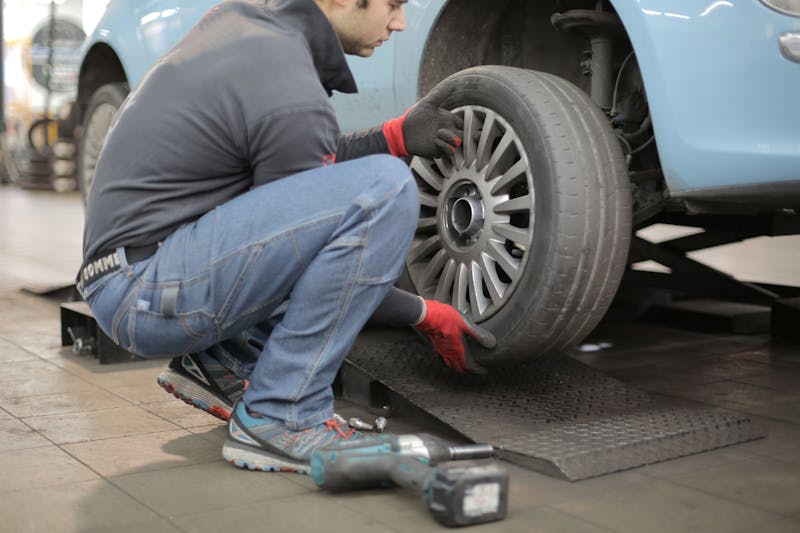
Driving on a Flat Tyre or Rim: What to Do
Driving on a flat destroys the rim and suspension. Here is what you should do.
Mis à jour le 28 juillet 2025 · Sources vérifiées
📋 Sommaire
Driving on a Flat Tyre or Rim: What to Do
Introduction
Driving on a flat tyre or rim can be a nerve-wracking experience for any UK driver. Not only does it increase the risk of accidents, but it can also cause significant damage to your vehicle and potentially lead to hefty repair bills. Understanding what to do when you find yourself in such a situation is crucial for every motorist. In this guide, we'll walk you through the basics of driving on a flat tyre or rim, diagnosing potential issues, and providing practical steps to ensure your safety and minimise damage.
[Section 1 — Context, How it Works, or Overview]
When a tyre loses air pressure, it becomes susceptible to damage, especially when driving at high speeds. Driving on a flat tyre can cause the rim to deform, resulting in a blowout, which is dangerous and potentially costly to fix. A blown tyre may also lead to a loss of vehicle control, increasing the likelihood of accidents.
In some cases, you might still be able to drive for a short distance on a flat tyre, but it's essential to know your limits and act promptly to avoid further damage. Remember, every second counts when driving on a compromised tyre!
[Section 2 — Diagnosis, Signs to Look For, or Buying Criteria]
Learning to recognise the signs of a flat tyre is vital for any driver. Here are some common indicators:
- Vehicle Pulling to One Side: If your car continually drifts to one side when driving straight, it could be a sign of uneven tyre pressure.
- Strange Noises: A constant humming or thumping noise coming from the tyres might indicate low tyre pressure or a flat spot on the tyre.
- Vibration: If you feel vibrations in the steering wheel or the seat, it could be a sign that one of your tyres is underinflated or flat.
- Visible Damage: Look out for visible punctures, bulges, or uneven wear on your tyres. These are clear signs that something is amiss.
Remember, early detection and prompt action can save you from costly repairs and potential accidents.
[Section 3 — Practical Steps, Procedure, or Comparison]
If you suspect a flat tyre, follow these steps:
- Pull Over Safely: Find a safe location to pull over and stop your vehicle.
- Assess the Damage: Inspect the tyre for visible damage like punctures or bulges.
- Check Tyre Pressure: Use a reliable pressure gauge to measure the tyre pressure against the recommended PSI (Pounds per Square Inch) for your specific vehicle model. Common models like Ford Focus, Vauxhall Astra, Golf, and Peugeot 208 have different recommended tyre pressures.
- If Necessary, Repair or Replace: If the tyre is repairable, use a high-quality tyre repair kit, such as this tyre repair kit sealant inflator on Amazon.co.uk. If the tyre is beyond repair, replace it with a new one.
- Check Other Tyres: Inspect all tyres for similar issues to ensure that you don't have a problem with multiple tyres.
- Inspect Your Vehicle: Check your vehicle for any signs of damage caused by the flat tyre incident, such as bent rims or alignment issues.
- Seek Professional Help if Needed: If you're unsure about anything or need professional assistance, don't hesitate to contact a trusted garage or mechanic.
[Section 4 — Costs, Recommended Brands, or Advanced Tips]
The cost of repairing or replacing a tyre can vary greatly depending on the severity of the damage and the type of tyre required. A simple puncture repair might cost between £10 and £30, while a new tyre could set you back anywhere from £50 to over £200, depending on the brand and size.
Découvrez les produits les mieux notés et les plus vendus dans cette catégorie, sélectionnés par les acheteurs Amazon.
🛒 Voir les meilleures ventes sur AmazonWhen choosing a tyre repair kit, look for one that includes a high-quality sealant, an inflator, and durable repair materials. The tyre repair kit sealant inflator on Amazon.co.uk is a reliable option that has received positive reviews from many UK drivers.
Advanced tip: Regularly check your tyre pressure and inspect your tyres for any signs of wear or damage to prevent unexpected flats and ensure the safety of you and your passengers.
Conclusion
Driving on a flat tyre can be a daunting experience, but with the right knowledge and preparation, you can minimise potential risks and keep yourself safe on the road. Remember to pull over safely, assess the damage, and use a reliable tyre repair kit if necessary. By taking prompt action and investing in quality equipment like the tyre repair kit sealant inflator on Amazon.co.uk, you can save yourself from costly repairs and potential accidents. Safe driving!
Cet article vous a été utile ? Partagez-le !