CV Joint and Gaiter: Diagnosis and Replacement
A split CV gaiter destroys the joint within weeks. Spotting it early is simple.
Mis à jour le 15 février 2025 · Sources vérifiées
📋 Sommaire
CV Joint and Gaiter: Diagnosis and Replacement for UK Drivers
Introduction
Understanding the intricacies of your vehicle's mechanical components is essential for any UK driver. One such component that often goes unnoticed until it fails is the Constant Velocity (CV) joint and its protective gaiter. This article will delve into the workings, signs of wear, replacement procedures, and cost considerations for these crucial parts.
[Section 1 — Context, How it Works, or Overview]
The CV joint is a vital part of your car's drive axle, allowing the wheels to move up and down while rotating. This versatility is crucial during steering manoeuvres, maintaining optimal traction on the road. The CV joint is encased in a rubber gaiter or boot to protect it from debris and moisture.
[Section 2 — Diagnosis, Signs to Look For, or Buying Criteria]
Identifying issues with your CV joint and gaiter can be challenging due to their location within the wheel hub. However, several signs may indicate a problem:
- Clicking Noise: A clicking or popping sound from the wheels during turns is often the first sign of CV joint wear.
- Play in Steering Wheel: Excessive play or looseness in your steering wheel can indicate a failing CV joint.
- Vibration: Persistent vibrations, especially during acceleration or deceleration, may be due to a damaged CV joint.
- Visible Damage: If you notice tears or cracks on the gaiter, it's likely that the joint beneath is compromised.
[Section 3 — Practical Steps, Procedure, or Comparison]
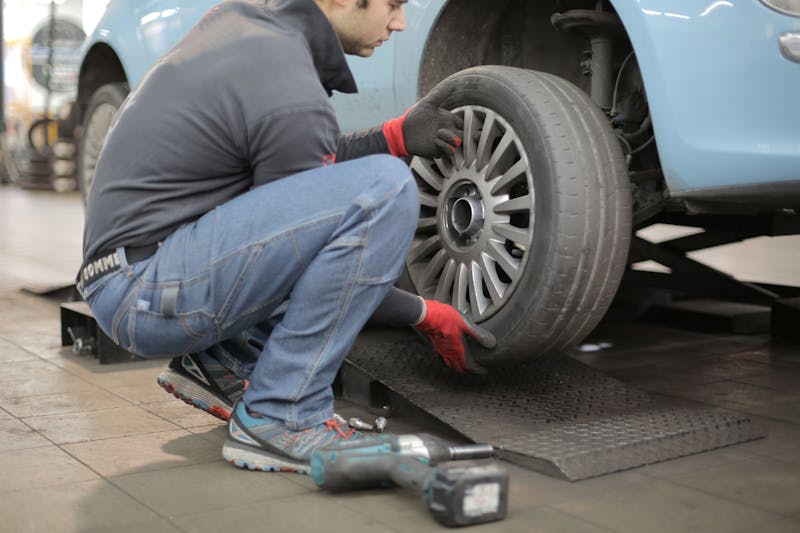
Replacing a CV joint and its gaiter is a complex task best left to professionals. However, understanding the process can help you make informed decisions:
- Removal: The wheel, brake caliper, and other components must be removed to access the CV joint.
- Disassemble: The damaged CV joint and gaiter are extracted from the axle.
- Installation: The new CV joint is installed along with a fresh gaiter and lubricant.
- Reassembly: All components are reassembled, and torque specifications for each bolt are followed to ensure proper alignment and function.
[Section 4 — Costs, Recommended Brands, or Advanced Tips]
The cost of replacing a CV joint and gaiter varies depending on the vehicle model. For instance:
- A Ford Focus: £200 - £350 (parts and labour)
- Vauxhall Astra: £250 - £400 (parts and labour)
- Volkswagen Golf: £250 - £450 (parts and labour)
- Peugeot 208: £200 - £350 (parts and labour)
When shopping for a CV gaiter boot kit, consider brands like Timken, Moog, or NSK. These manufacturers are known for their high-quality products and wide range of compatibility with various vehicle makes and models.
Conclusion
While the CV joint and its protective gaiter may not be at the forefront of a UK driver's mind, understanding their importance and signs of wear can save you from costly repairs down the line. Regular maintenance and prompt attention to any concerning symptoms can keep your vehicle running smoothly on British roads.
CV gaiter boot kit on Amazon.co.uk offers a comprehensive solution for addressing CV joint and gaiter issues, ensuring your vehicle's drive axle remains in optimal condition.
Découvrez les produits les mieux notés et les plus vendus dans cette catégorie, sélectionnés par les acheteurs Amazon.
🛒 Voir les meilleures ventes sur AmazonIn addition to the CV gaiter boot kit, there are other preventative measures you can take to prolong the life of your CV joint and avoid costly repairs. Regular inspections and routine maintenance play a crucial role in maintaining your vehicle's overall health and performance.
Firstly, inspecting your vehicle regularly for signs of wear and tear on the CV joint is essential. Look out for clicking or popping noises when turning, vibrations, or steering instability. These symptoms could indicate that your CV joint needs attention.
Secondly, ensuring proper lubrication of the CV joint can help prevent premature failure. Regular oil changes and using high-quality lubricants can keep the joint well-oiled and functioning efficiently.
Thirdly, driving habits also impact the longevity of your CV joint. Avoiding harsh accelerations, abrupt stops, and excessive off-road use can help reduce stress on the drive axle components, including the CV joint.
Lastly, if you encounter any issues with your CV joint or gaiter, prompt attention is key. Ignoring symptoms could lead to more extensive damage and higher repair costs. In such cases, replacing the damaged part as soon as possible can save you from further complications down the line.
In conclusion, the CV joint and its protective gaiter may not be at the forefront of a UK driver's mind, but understanding their importance and taking preventative measures can ensure your vehicle's smooth operation on British roads. Regular inspections, proper maintenance, and careful driving habits can help prolong the life of your CV joint and save you from costly repairs.
Remember, if you need a comprehensive solution for addressing CV joint and gaiter issues, CV gaiter boot kit on Amazon.co.uk offers a range of products to help keep your vehicle's drive axle in optimal condition. By taking care of your CV joint, you are investing in the safety and longevity of your vehicle. Happy driving!
Cet article vous a été utile ? Partagez-le !