ABS: How It Works, Sensors and Faults
ABS prevents wheel lockup under braking. A single faulty sensor disables the whole system.
Mis à jour le 1 mars 2025 · Sources vérifiées
📋 Sommaire
ABS: How It Works, Sensors, and Faults - Essential Knowledge for UK Drivers
Introduction
Anti-lock Braking Systems (ABS) have become a standard feature in modern vehicles, enhancing safety on the roads of the United Kingdom. This article aims to provide an in-depth understanding of ABS, its components, and potential faults, empowering UK drivers with the knowledge to maintain and diagnose their systems effectively.
[Section 1 — Context, How It Works, or Overview]
ABS is designed to prevent wheel lock-up during hard braking, thereby improving control and reducing stopping distances on slippery surfaces. The system works by rapidly pulsating the brake pressure, allowing the wheels to maintain traction while slowing down effectively.
In a typical ABS system, four wheel speed sensors monitor the rotation of each wheel. These sensors communicate with the ABS control unit, which continuously compares the speeds of the wheels and adjusts the hydraulic pressure in the brake lines accordingly.
[Section 2 — Diagnosis, Signs to Look For, or Buying Criteria]
Recognising ABS faults early can help prevent more severe issues and ensure safety on the road. Common signs of ABS problems include:
- A constant illumination of the ABS warning light on the dashboard.
- Unusual brake pedal pulsation or vibration during hard braking.
- Abnormal tire wear patterns, particularly on the inside edges.
- The vehicle pulling to one side during emergency stops.
When shopping for a wheel speed sensor ABS, consider the compatibility with your vehicle model. For instance, if you drive a Ford Focus, look for sensors specifically designed for that model, such as this option on Amazon.co.uk.
[Section 3 — Practical Steps, Procedure, or Comparison]
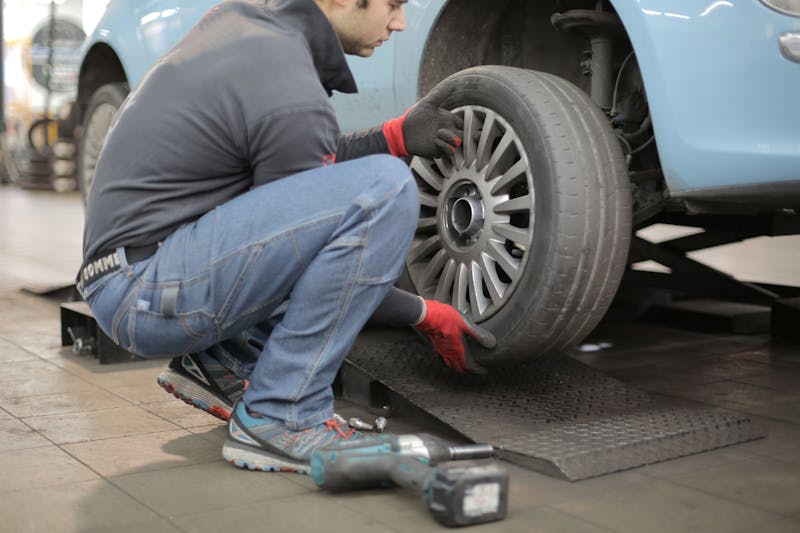
While it's essential to consult your vehicle's manual for specific procedures, the general process of replacing a wheel speed sensor involves:
- Jack up the vehicle and secure it with stands.
- Remove the wheel and brake caliper.
- Disconnect the electrical connector from the old sensor.
- Unscrew the nut securing the sensor to the hub.
- Install the new sensor, screw it into place, and reattach the connector.
- Reassemble the brake components, reinstall the wheel, and tighten the lug nuts.
- Lower the vehicle and test the ABS system.
[Section 4 — Costs, Recommended Brands, or Advanced Tips]
The cost of a wheel speed sensor ABS varies depending on the brand and vehicle model. Generally, prices range from £50 to £150. When choosing a sensor, opt for reputable brands known for their quality and compatibility with your specific car make and model. Brands like Bosch, Delphi, and Actron offer reliable solutions.
Advanced tips include regularly inspecting tire wear patterns and ensuring the ABS system is serviced according to the manufacturer's recommendations to maintain optimal performance and longevity.
Conclusion
Understanding ABS, its components, and potential faults equips UK drivers with the knowledge to ensure their vehicles remain safe and reliable on the roads. Regular maintenance, timely diagnosis, and using high-quality replacement parts like these wheel speed sensors available on Amazon.co.uk can help prevent issues and maintain peace of mind while driving.
Découvrez les produits les mieux notés et les plus vendus dans cette catégorie, sélectionnés par les acheteurs Amazon.
🛒 Voir les meilleures ventes sur AmazonBy being aware of the symptoms of ABS faults, such as a pulsing brake pedal or a persistent warning light, UK drivers can take immediate action to address any potential issues before they escalate into more serious problems. Early detection is crucial in maintaining the safety and efficiency of the ABS system.
When it comes to diagnosing an ABS fault, a few steps can help narrow down the cause. Firstly, visually inspect the brake lines, hoses, and sensors for signs of damage or leaks. If everything appears fine, use an OBD2 scanner to read the trouble codes stored by the car's computer. These codes will provide valuable information about which component is causing the issue.
Once you have identified the problematic part, it's essential to replace it with a high-quality and reliable component. For wheel speed sensors, these options available on Amazon.co.uk are an excellent choice due to their durability and precision in measuring wheel rotation. Always ensure that you follow the manufacturer's instructions when installing replacement parts to guarantee a proper fit and optimal performance.
Regular maintenance is also crucial in maintaining the ABS system's longevity. Routine checks on the hydraulic fluid level, brake pads, and rotors can help prevent wear and tear that could lead to faults. Additionally, it is essential to service the ABS according to the manufacturer's recommendations to ensure optimal performance and longevity.
It is worth noting that while some drivers may choose to tackle ABS repairs themselves, complex issues should be left to a professional mechanic. Working with electrical systems can be dangerous if not handled correctly, so always prioritize safety when dealing with vehicle maintenance.
In conclusion, understanding the ABS system and its potential faults is vital for UK drivers to ensure their vehicles remain safe and reliable on the roads. Regular maintenance, timely diagnosis, using high-quality replacement parts like these wheel speed sensors available on Amazon.co.uk, and seeking professional help when necessary will provide peace of mind while driving and ensure a smooth ride for years to come.
Cet article vous a été utile ? Partagez-le !